

As a reaction to the constant barrage of promos in my email account, I’ve decided that I will be making an active effort to cover more new releases to support independent artists and labels in this difficult time.
In the spirit of my popular Best New Ambient roundup series, I will now send out brief, personal recommendations for great new ambient/experimental albums on the day of release (or shortly after) instead of waiting to include them in a roundup. I hope you’ll find value in these occasional short “reviews”.
You can also access them through a new rider on the homepage.

Lusine – Melting Days (Ghostly International, 2026)
Last week, I was swimming in a small lake, surrounded by nothing but wild forest and with the sounds of children playing in my ears, when the chord progression from Lusine’s “These Walls” suddenly popped into my head.
The evenings are slowly getting shorter, and the first families are returning from their long vacations. Since we know that these hot, humid days will soon be nothing more than a vague memory, we’re rushing to make the most of them. And by rushing, I mean finally taking this trip to the lake and not putting it off again.
After venturing into a more song-oriented branch of electronic pop, Lusine returns to instrumental ambient with his tenth album, Melting Days – a work that invites repeated listening, and whose captivating sonic textures and organic sound design never overshadow its subtle emotional depth.
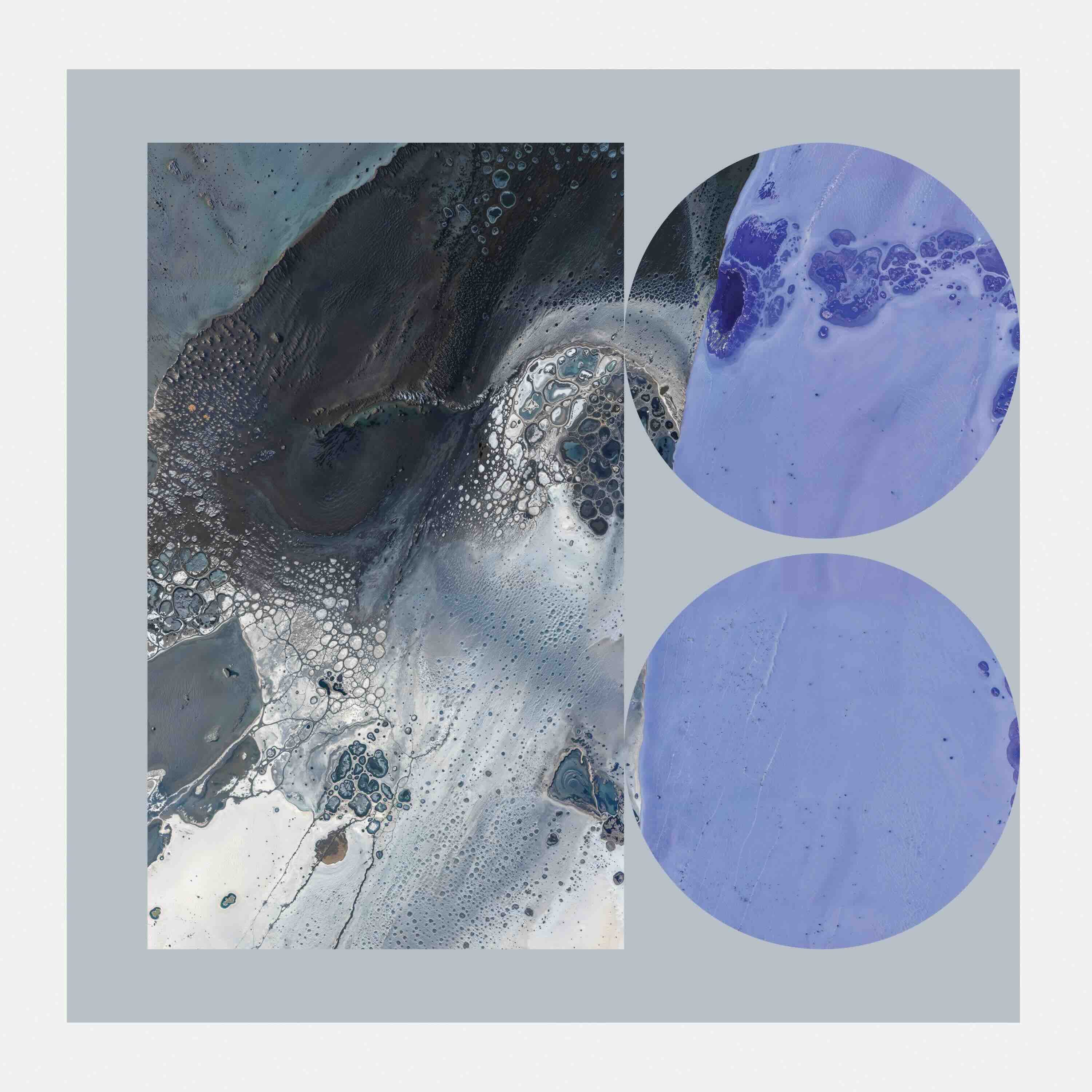
Lusine is the stage name of Jeff McIlwain, a Seattle-based veteran of electronic music and film score composer who has been active since the late 1990s. Loraine James once described his 2007 album Language Barrier as her “favorite ambient album of all time.”
For his part, Lusine has cited Susumu Yokota’s 1999 album Sakura as a major influence on Melting Days, and that’s one of my all-time favorite ambient albums as well. Neither album is beatless, as a stricter definition of ambient would require – much like Yokota, McIlwain gives his melodic pieces plenty of room to breathe; at the same time, he structures them and gently propels them forward by weaving airy drum and percussion sounds, both recorded live and programmed, into many of his tracks. Some tracks also emerged as happy accidents in the studio, such as when he ran a cello loop through dozens of filters for “Apparition.”
Since the mid-2000s, Lusine has worked on numerous film scores, and it is undoubtedly one of the worst clichés to describe an album of atmospheric, instrumental electronic music as the “soundtrack to a nonexistent film” or something similarly flowery. The fact is, however, that Melting Days does indeed possess a cinematic quality – this music is meant to evoke images, albeit rather abstract ones.
What I also particularly like about this album is that it doesn’t overly dictate the emotions it aims to convey. The press release mentions that the producer was going through a period of grief and loss while the album was being created, but Melting Days is not a sad, depressing work. At its core lies a gentle, slightly pained melancholy, yet the album continues to show a lively interest in the world, and many of its sounds seem to mimic small, microscopic movements in nature, thus reflecting the cycle of life.
More music recommendations - and more independent music - can only be good things!